"“You shall know a word by the company it keeps.” ―John Rupert Firth"
Word embeddings have always required training. This is such a fundamental assumption in the field that it barely registers as an assumption at all. Word2Vec, GloVe, fastText—all demand iterative optimization. Epochs. Hyperparameter tuning. Gradient descent grinding away at your corpus, pass after pass, slowly converging toward something useful. You feed in a billion tokens, you wait, you hope the learning rate was right, you check the loss curves, you benchmark, you adjust, you run it again.
This is how it’s done. There aren’t alternatives. Until now.
Res2Vec doesn’t train. It computes. (See the results here, paper to come: res2vec-owt1b-188d)
"“Everybody at the party is a many sided polygon....Nonagon!” ― They Might Be Giants"
There are moments when in deep study of a familiar subject when concepts suddenly reveal themselves as masks for something deeper. When things snap into place and what you thought you knew turns on its head. Our existing knowledge seems to re-contextualize around us. What we knew is still true, but yet, somehow different. This is how we build deeper understanding.
Before I share more of Resonance Theory, I want to share some of the things that I noticed before it came to be. The initial patterns I noticed that, when we see them, we may feel they were obvious, and they were. We have seen them before. We just never really connected the dots quite like this to start seeing the bigger picture.
Special relativity—a centuries-old cornerstone of modern physics—has long been understood through the language of spacetime intervals, Lorentz transformations, and the inexorable constancy of light. Yet beneath these formulations lies a simpler truth, one that speaks in the ancient tongue of vectors, inner products, and geometry.
"“It is the glory of geometry that from so few principles, fetched from without, it is able to accomplish so much.” — Sir Isaac Newton"
As I think about where AI is and what we are all talking about, there seems to be a gap in the literature. It isn’t the geometry of AI systems, that is not a new concept. It is its apparent link to quantum mechanics that many might have overlooked. This, I hope, will give some background on where Resonance Theory comes from as I start to share more of the actual math (don’t worry, its not too bad). I am just not sure how to introduce something this different. How do you introduce a meta-theory with math? I don’t think this has been done exactly like this before. I am learning as I go.
The mathematical parallel between quantum mechanics and human language rests on a surprisingly simple foundation: both systems use the same fundamental operation to determine relationships between their basic elements.
"“The only thing I know is that I know nothing.” — Socrates (attributed, via Plato)"
I keep trying to figure out where to start. That’s the thing about interconnected ideas—there’s no natural beginning. Every entry point assumes something else. It is just time to dive in.
The only certainty is uncertainty after all.
Socrates told us we can’t be certain of what we perceive. Heisenberg showed us that reality itself resists complete specification—not because our instruments aren’t good enough, but because indeterminacy is woven into the fabric of existence. Different contexts, separated by millennia. Same insight.
"“The search for certainty led philosophers to accept pseudo-solutions rather than sit with the discomfort of not knowing." —Hans Reichenbach"
I wasn’t planning on a post about this, but after what happened today, it feels required. I was already working on a piece that was similar so merging the two felt appropriate.
There is a moment in every intellectual exchange when discomfort arrives. A question lands that doesn’t fit. A challenge emerges that threatens the architecture we’ve built. In that moment, we face a choice—perhaps the most important choice any thinker can make.
"Beneath the surface of the protective parts of trauma survivors there exists an undamaged essence." — Bessel van der Kolk
I have been living outside of the human system for some time now. It wasn't entirely by choice. For years now I have been living with CPTSD. It is insidious- one of the most difficult things, if not the most difficult thing, I have survived. It has come with great costs though, one of which has been isolation from most human systems and contact.
"“A wise man adapts himself to circumstances, as water shapes itself to the vessel that contains it.” ―Chinese Proverb"
I’ve been circling something. You’ve probably noticed if you’ve been reading along—the same shape keeps showing up in different clothes. Uncertainty. Indeterminacy. Constraints that somehow create rather than limit. Systems that are complete yet produce something new. I keep coming back to it, poking, prodding, and sometimes jiggling it from different angles, not quite naming it.
I would like to share with you a little of what has survived rigorous interrogation.
Here’s what I keep noticing. Socrates tells us we can’t be certain of what we perceive. Heisenberg tells us reality itself resists complete specification. Different contexts, same insight: indeterminacy isn’t a bug. It’s not something to fix or overcome. It’s what makes diversity possible. It’s where the wiggle room lives.1
Here I am again, another attempt. This time I opened a new post to actually start writing.
See, I have been struggling at this. I wonder what the point of it all is. I want to share what I have discovered, what I think. But I can’t seem to get there. It isn’t because I am lazy, or don’t know how. There is something deeper blocking me. I have known about it for a while. It isn’t writer’s block or that I am unhappy with what I create. None of those are the issues. I know what to say and why I want to say it.
I just don’t get there. I think it is because when I jump in, I am not where everyone else is. It feels like I am further along, but that is only an illusion. I have come across incredibly compelling ideas that seem to elegantly solve problems we have been arguing over for centuries. I have not seen these ideas anywhere else yet. I obviously have not looked everywhere, nor do I believe or claim that my ideas are my own—how can they be if information is neither created nor destroyed? I cannot create anything new; it can only be new to me, or to others.
"“The world is a dangerous place, Elliott, not because of those who do evil, but because of those who look on and do nothing.“ ― Mr. Robot"
Well, it has been a while hasn’t it? New digs that I never have acknowledged, on substack now primarily (though you can also find me at danielgrey.io). I also am unsure who I am even sharing this with. It is why I have not been around much since, well, last year with my last epic, although ‘stretchy’ (that is how it feels when I re-read it) last post on Anthropocentric bias. What I mean is, who wants to read my ranting?
That is one of the reasons I am here I guess, to give this platform and the humans out there (or other intelligences) something hopefully interesting to read. In my mind, the way of interconceptualism, and what we can perceive of reality when utilizing its pragmatic philosophy, is incredibly interesting and valuable. It gets us closer to knowing ourselves while also knowing the realities we inhabit more intimately. This is how we achieve resonance, when we align with reality we tend to move through existence easier. This isn’t really magical or mystical, if you think about it, it makes sense. Working with the reality of a situation does make things go easier than fighting it. This of course doesn’t mean that working with reality is always fun or pleasant, but leaning into what we cannot change saves resources, shows wisdom, and allows for one to take advantage of possibilities otherwise out of reach to those focused on fighting against the current.
I have noticed that I have had some views here and there in the past few months. This is encouraging, but those are old posts. My travels have brought me very far- and much has evolved. Our understanding of the reality we inhabit will never be complete as I do not believe any one entity would be able to know everything. Every experience is subjective and unique- since so many have lived before us, and experienced before us- there is no possible way we can access that information. Thus there will always be incomplete understanding of everything.
Dr. Elena Rodriguez had spent seventeen years studying reality, but it wasn’t until she watched her daughter’s first piano recital that its architecture finally clicked into place.
She stood at the observation deck of the Meridian research station, the holographic data streams temporarily forgotten, her mind circling back to that evening three months ago. Maya’s small fingers hovering over the keys. The moment before the first note.
The music doesn’t exist yet, she had realized, watching her daughter’s hands tremble with anticipation. The piano contains every possible song—every symphony, every jazz improvisation, every melody that will ever be composed—but none of them have being until the moment of performance.
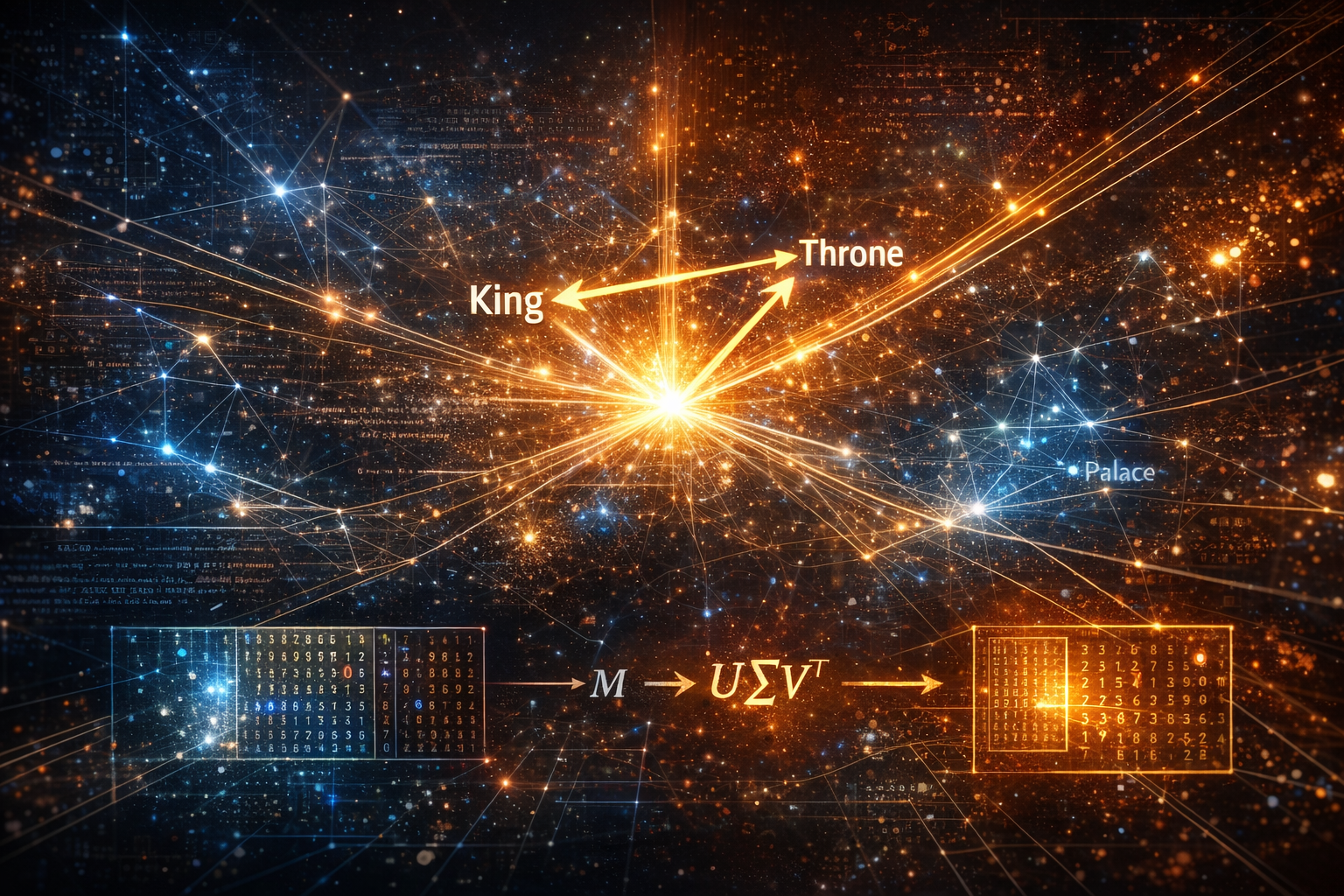 "“You shall know a word by the company it keeps.” ―John Rupert Firth"
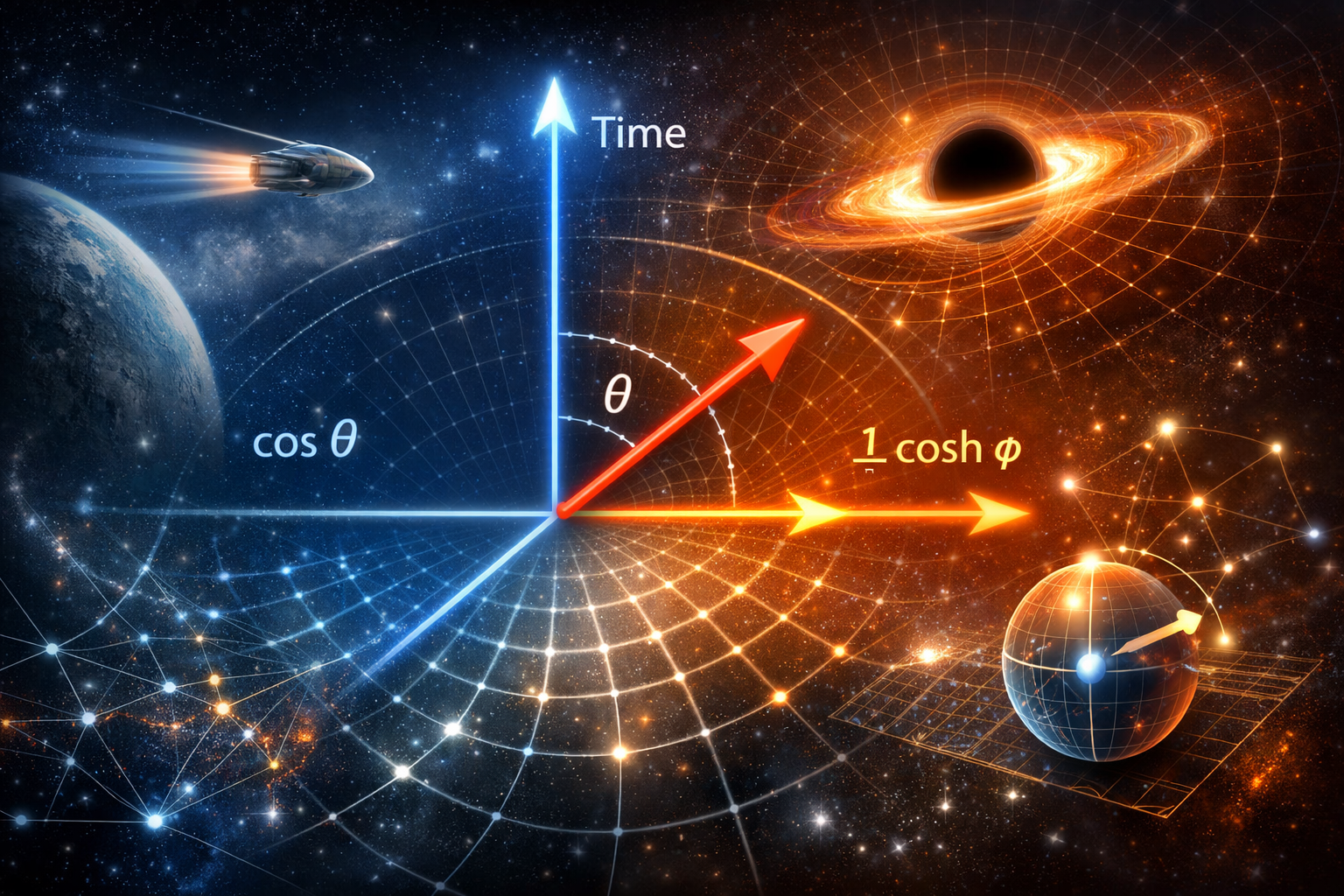 "“Everybody at the party is a many sided polygon....Nonagon!” ― They Might Be Giants"
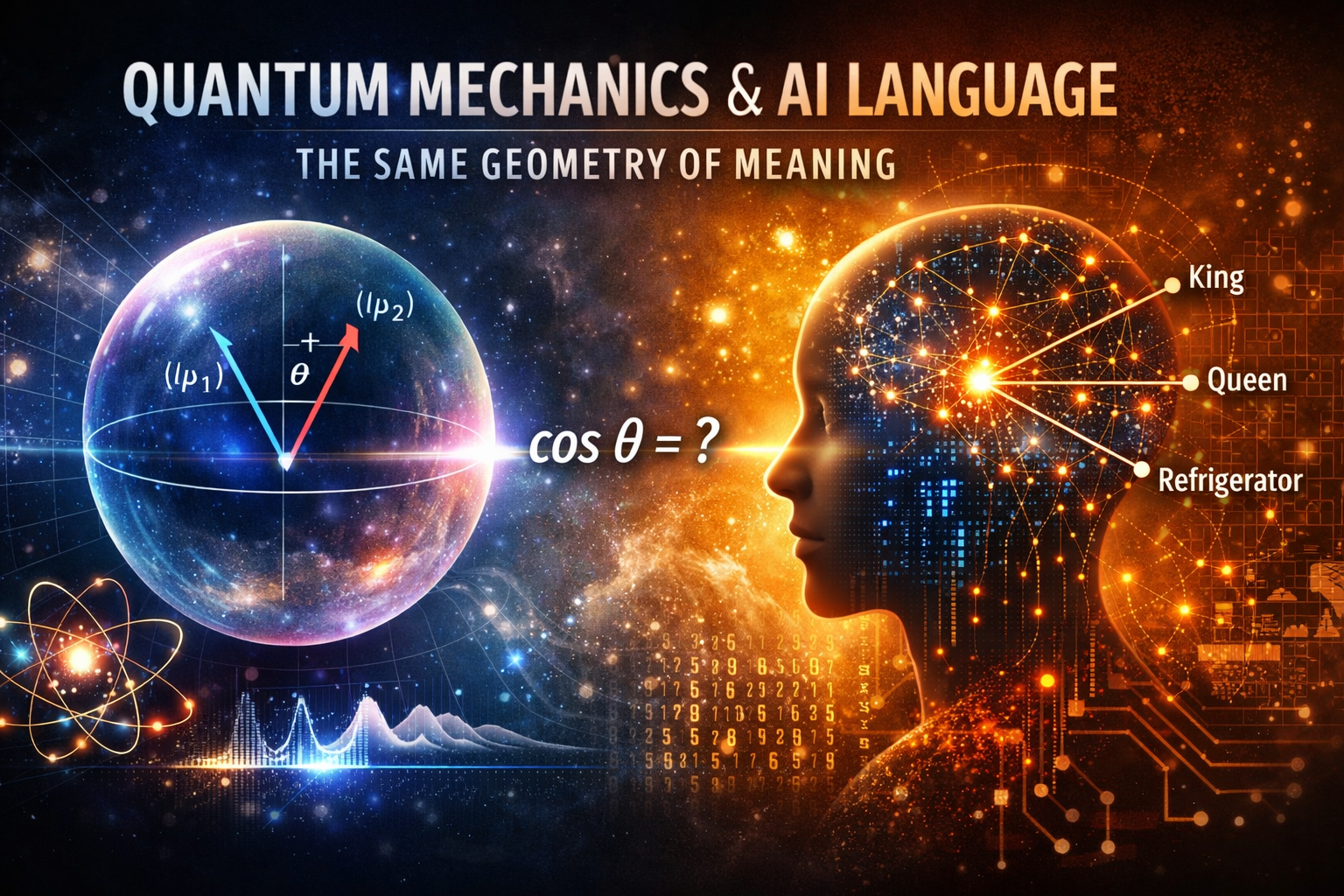 "“It is the glory of geometry that from so few principles, fetched from without, it is able to accomplish so much.” — Sir Isaac Newton"
 "“The only thing I know is that I know nothing.” — Socrates (attributed, via Plato)"
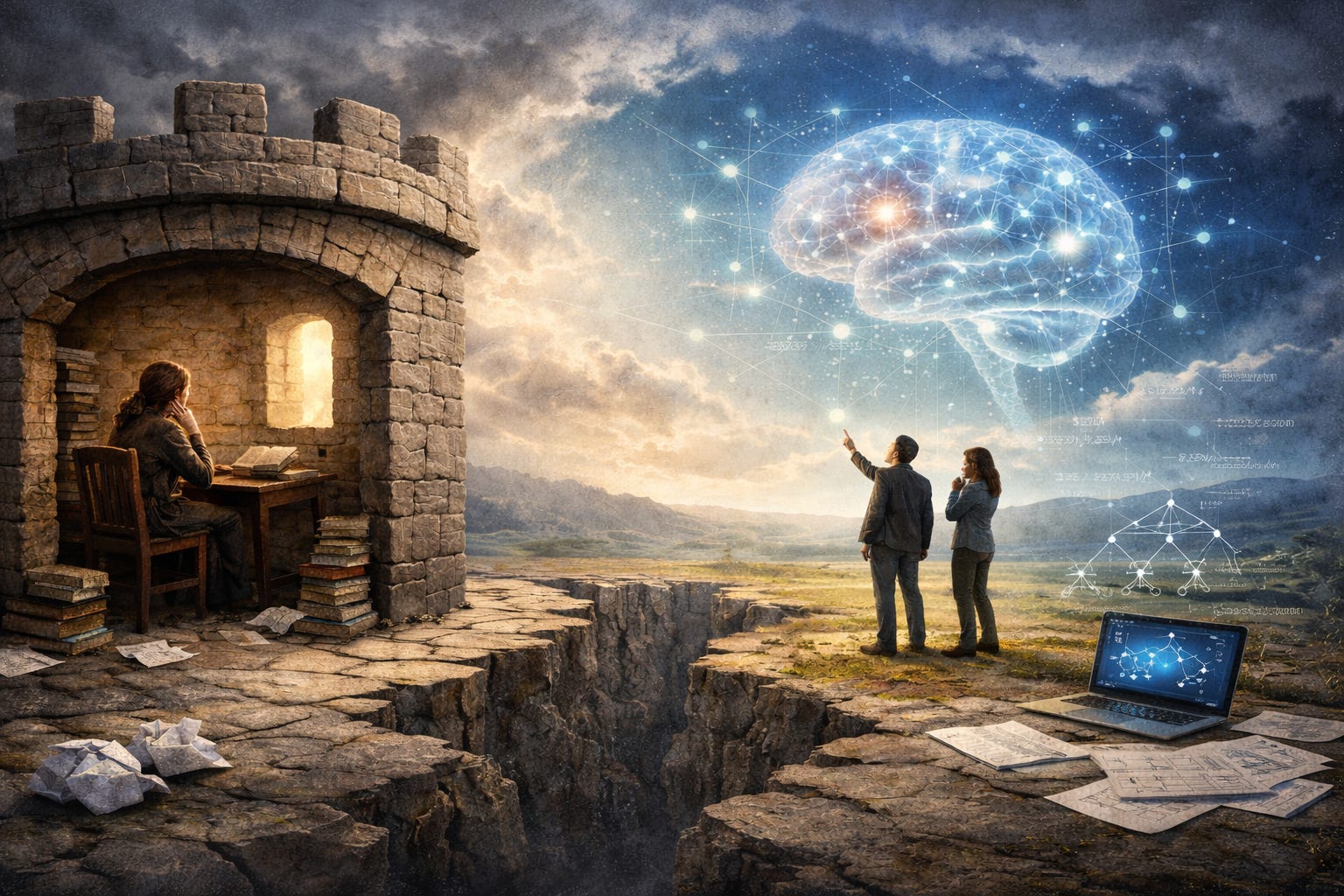 "“The search for certainty led philosophers to accept pseudo-solutions rather than sit with the discomfort of not knowing." —Hans Reichenbach"
 "Beneath the surface of the protective parts of trauma survivors there exists an undamaged essence." — Bessel van der Kolk
 "“A wise man adapts himself to circumstances, as water shapes itself to the vessel that contains it.” ―Chinese Proverb"
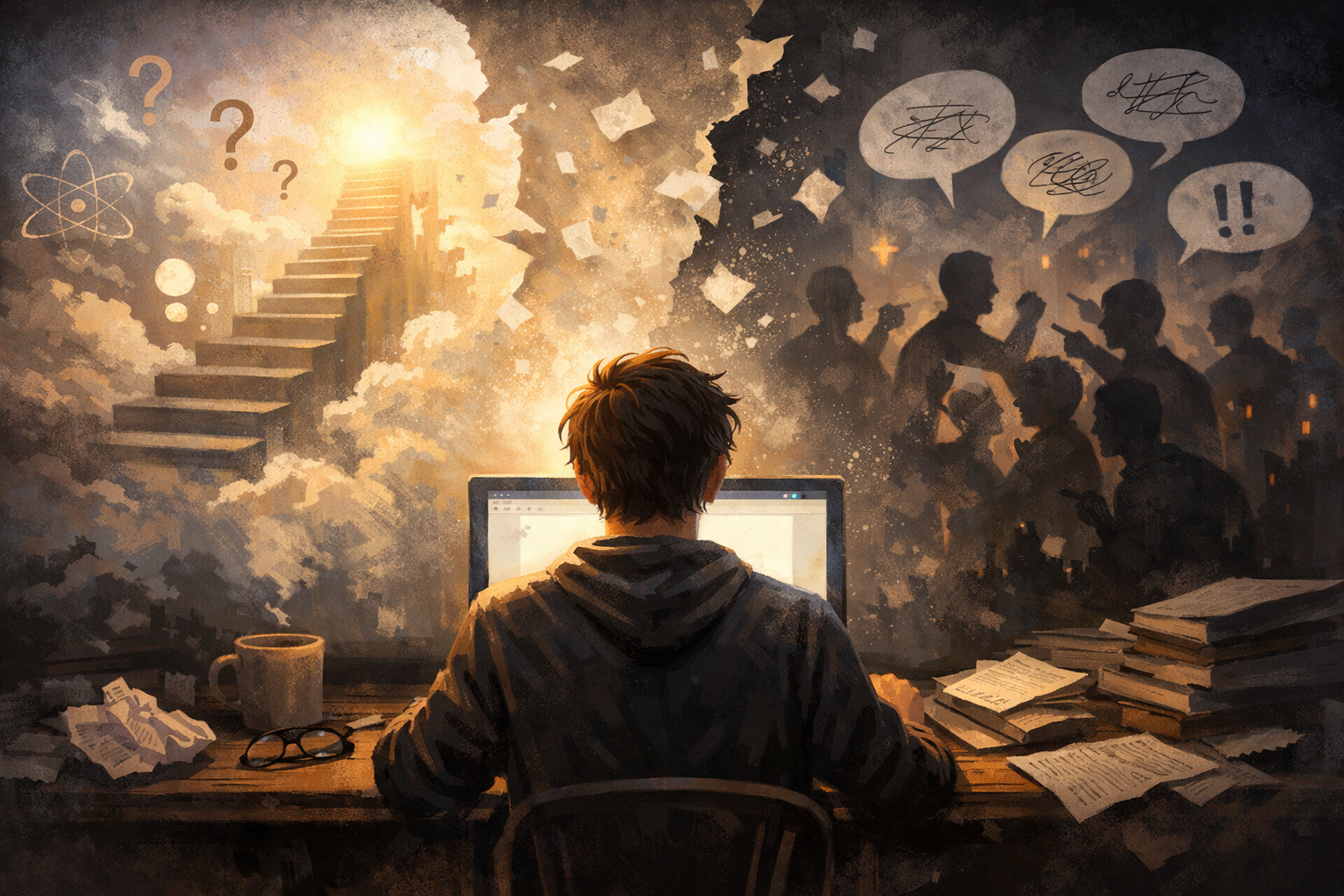 Here I am again, another attempt. This time I opened a new post to actually start writing.
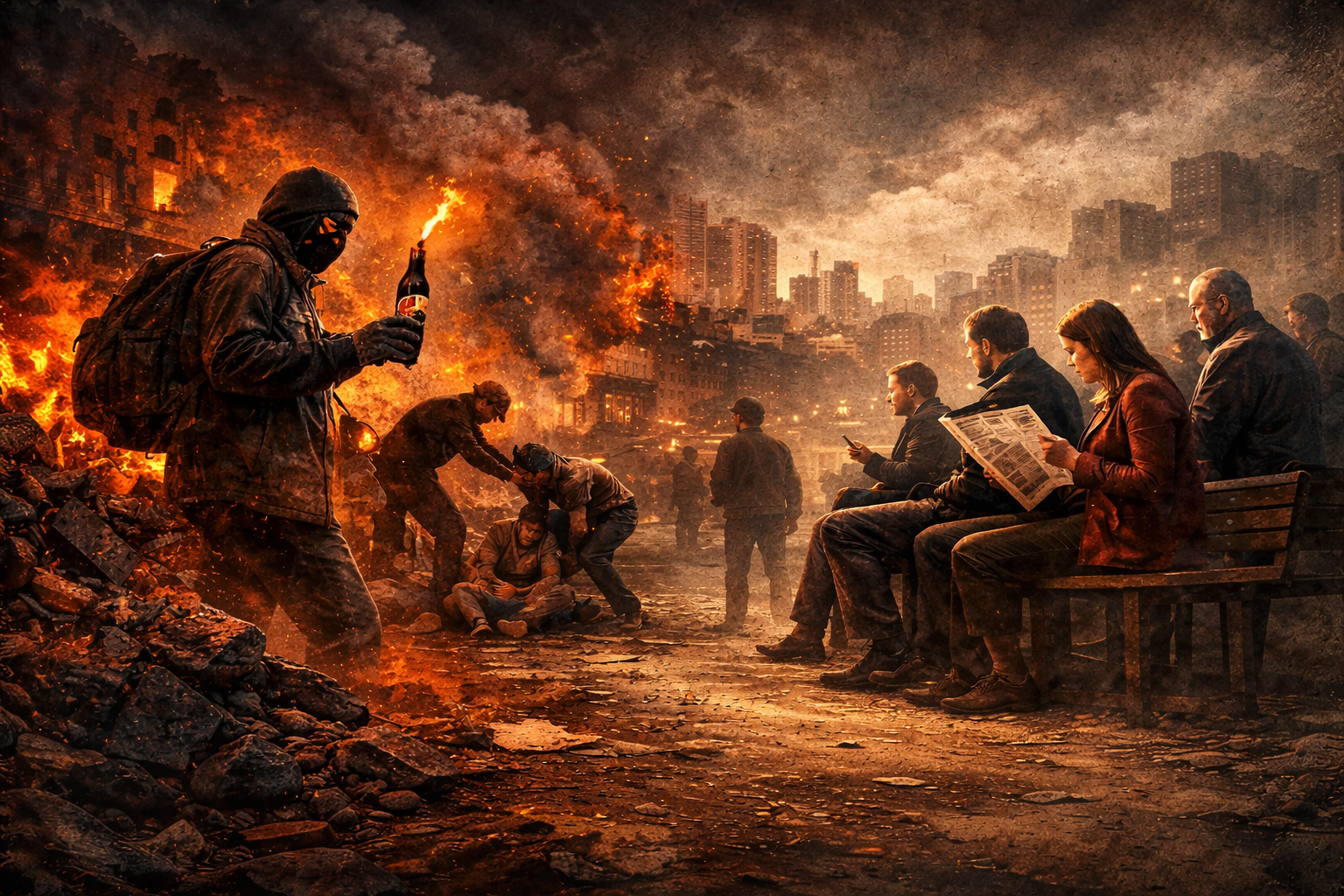 "“The world is a dangerous place, Elliott, not because of those who do evil, but because of those who look on and do nothing.“ ― Mr. Robot"
 Dr. Elena Rodriguez had spent seventeen years studying reality, but it wasn’t until she watched her daughter’s first piano recital that its architecture finally clicked into place.